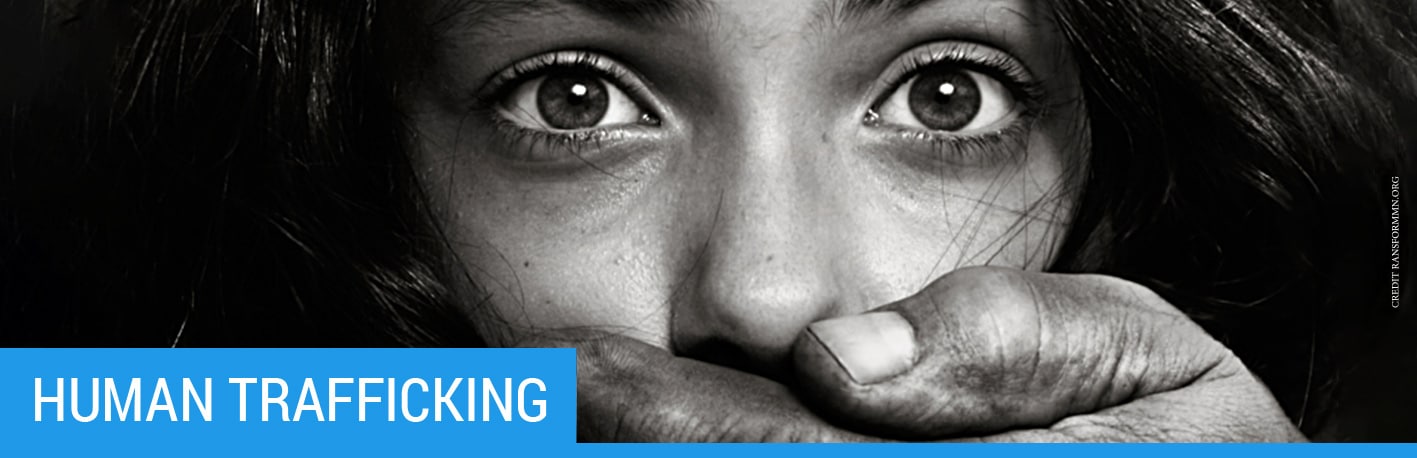
According to the International Labor Organization (ILO), there are still around 20.9 million people in the world who are victims of forced labour and sexual exploitation. Human trafficking therefore destroys millions of lives every year as it deprives people of their rights, crushes dreams, and gives millions of people a sense of being stripped of their dignity. Saturday 30 July is the World Day against Trafficking in Persons.
What is human trafficking?
Child labor is still widespread in large parts of the world. Here from Bangladesh. Photo: ILO
Human trafficking is the recruitment, transportation, transfer, retention or reception of people through force or fraud, with the aim of exploiting them for profit. People of all ages and from all backgrounds fall victim to this crime, which occurs in all regions of the world. Traffickers often use violence or fraudulent employment agencies and false promises of education and job opportunities to deceive and coerce their victims.
Disturbing numbers
The International Labor Organization‘s figures show that 11.4 million women and girls and 9.5 million men and boys are exposed to forced labour. 5.5 millions of these are children.
Photo: UNODC
The majority of those exposed to sexual exploitation are women, but also 35% of other forced labour. These figures make women and children extra vulnerable to being subjected to human trafficking. In Africa and South Asia, it is forced labor that accounts for most of the human trafficking, while in most of Europe, North and South America and South-East Asia there are larger numbers of people who are sexually exploited.
Concerned Secretary-General
UN Secretary-General António Guterres was clearly upset when he made a statement in connection with the International Day Against Human Trafficking. This year’s theme for the day is “Use and abuse of technology”. Guterres explains that technology has made it more difficult for people exposed to human trafficking, among other things, as they can be constantly monitored and illegal content such as sexual assault material can be spread quickly via the “dark web”. According to the United Nations Office on Drugs and Crime, there has also been a trend for criminals to find new victims of human trafficking online in recent years.
Nevertheless, the Secretary-General emphasizes that we must also make use of technology to improve conditions for the vulnerable. Technology can certainly be used to a large extent to combat human trafficking.
“We need governments, regulators, businesses and civil society joining forces to invest in policies, laws and technology-based solutions that can identify and support victims, locate and punish perpetrators, and ensure a safe, open and secure internet for all.”
Blue Heart Campaign
The United Nations Office on Drugs and Crime introduced the “Blue Heart Campaign” in 2009. This is a global initiative to make people aware of and combat human trafficking and its impact on society. The purpose of the campaign is to encourage engagement from government, civil society, the corporate sector and individuals, to inspire action and help prevent this heinous crime.
The blue heart is increasingly recognized as the international symbol against human trafficking, representing the sadness of those who are victimized while reminding us of the cold heart of those who buy and sell fellow human beings.
The campaign allows people to show their solidarity with the victims of human trafficking and increase their visibility by wearing the blue heart.